The Bystander Effect

Nobody Is Coming to Help You
And here’s the uncomfortable psychology behind why
I need to tell you about a night in New York in 1964.
A woman was attacked outside her apartment building. She screamed. Neighbors reportedly heard her.
Almost nobody called for help.

For decades, this story got told a specific way: 38 witnesses, watching from their windows, doing absolutely nothing while a woman died. It became the go-to example of how cold and indifferent people can be to each other.
I have to stop you here, though, because I’m not interested in telling you a clean story that isn’t fully true.
Later investigations found the “38 witnesses did nothing” version was largely exaggerated by early newspaper reporting. Fewer people actually saw the full attack than originally claimed, and at least one person did call the police. The case became a kind of urban legend that got worse with every retelling.
But here’s the thing.
The psychological question the story raised turned out to be completely real, even if the original details weren’t.
Idea I - More witnesses should mean more safety. It doesn’t. “The bigger the crowd, the smaller the individual.” - unknown
Two psychologists, Bibb Latané and John Darley, got obsessed with this question in the years after.
Their hypothesis went against basically all common sense. More people around during an emergency should mean a higher chance someone steps in, right? Safety in numbers, and all that.
Wrong.
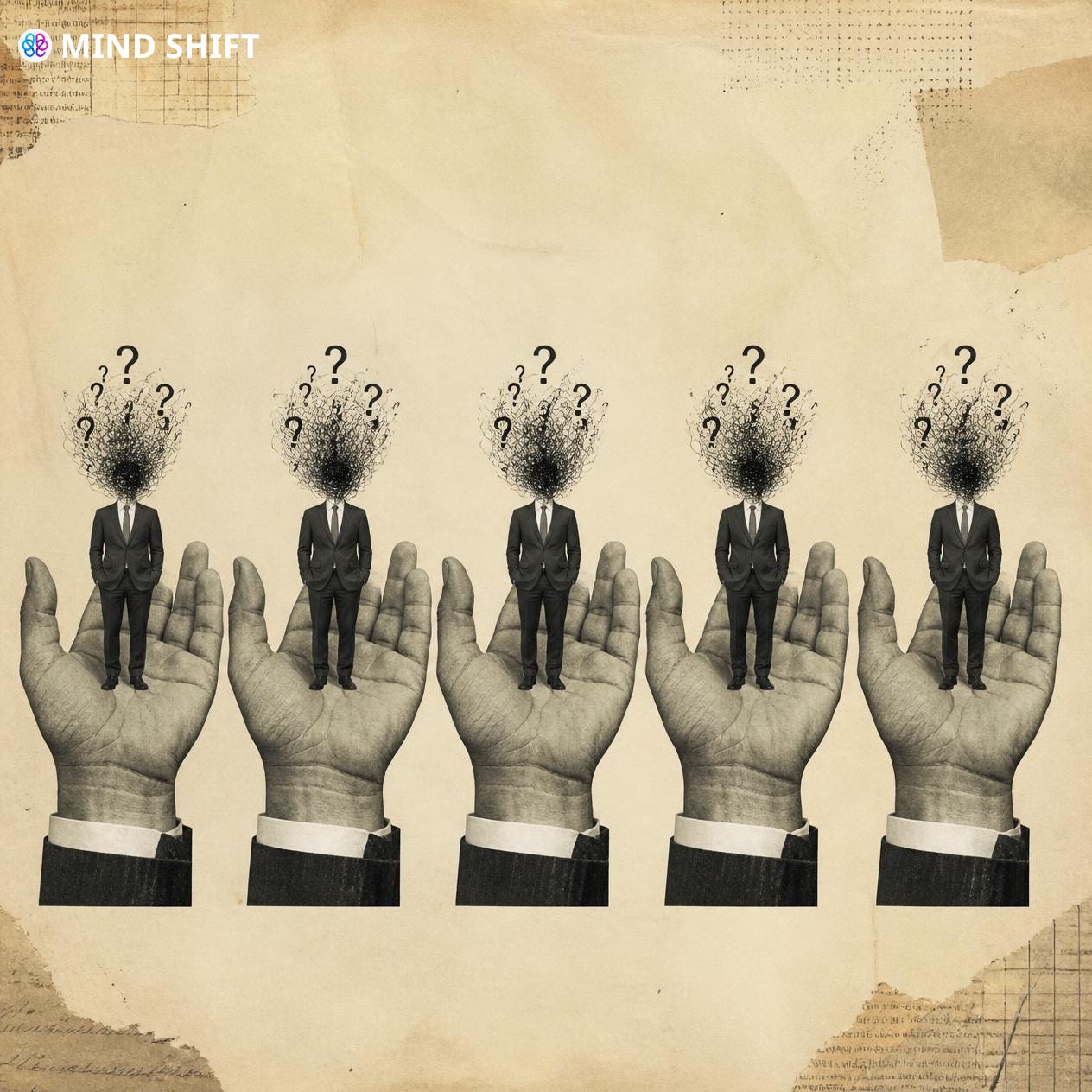
In their experiments, they found the exact opposite. The more witnesses present during a staged emergency, the less likely any single person was to actually help.
Not slightly less likely.
Dramatically less likely
.
Why is this relevant to you?
Because you’ve been in that crowd before. Multiple times. You just didn’t know there was a name for what was happening in your head.
Idea II - Everyone assumes someone else already has it handled Latané and Darley called it diffusion of responsibility.
Here’s the mechanism, stripped down to its core: when you’re the only witness to something going wrong, the responsibility sits entirely on you. There’s nobody else to hand it to. You act, or nobody does.
But the moment there are five witnesses, ten witnesses, thirty witnesses, that responsibility doesn’t multiply.
It divides.
Each person quietly assumes someone else, someone more qualified, someone closer, someone already reaching for their phone, is handling it.
Everyone is waiting on everyone else.
And since everyone is waiting, often nobody moves at all.
This isn’t a character flaw. It’s not proof that people are secretly heartless. It’s what your brain does, automatically, the second responsibility becomes shareable.
Idea III - There’s a fix, and it’s almost stupidly simple This is the part I actually want you to remember.
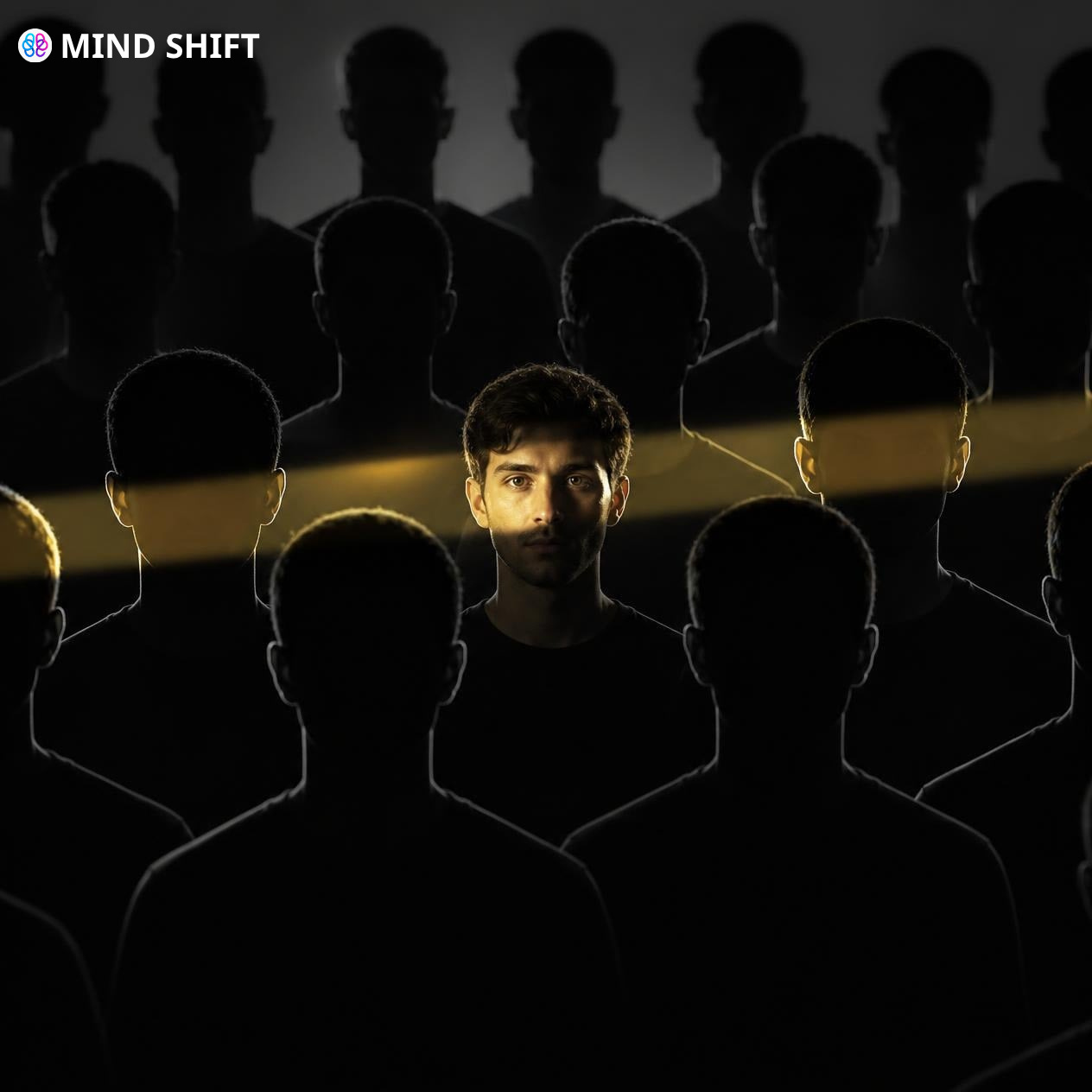
Researchers found a way to break the diffusion instantly. Not with a campaign. Not with an app. With one sentence.
If you ever need help in public, don’t shout “somebody help me.”
Look at one person. Point, if you have to.
“You, in the blue jacket. Call 911.”
The second you single someone out, the responsibility stops being shareable. It’s theirs now. They can’t quietly assume someone else has it, because you just told them, in front of everyone, that they’re the one.
It’s almost unfair how well this works.
So let me ask you the same question I’ve been asking myself since I learned about this.
Have you ever frozen in a group moment? Watched something go wrong, felt the urge to step in, and then... didn’t? Because some quiet part of your brain assumed somebody else, somebody better positioned, was already handling it?
You probably have.
Everybody has.
The crowd isn’t making you a worse person when that happens. It’s just doing exactly what crowds do to individual responsibility.
Now you know the mechanism. Now you know the fix.
Next time, be the one who points.
Source: Latané, B., & Darley, J. M. (1968). Group inhibition of bystander intervention in emergencies. Journal of Personality and Social Psychology, 10(3), 215–221.
Note on the Kitty Genovese case: later academic review (Manning, Levine, & Collins, 2007, American Psychologist) found the original “38 witnesses” account was significantly exaggerated by early reporting. The diffusion of responsibility effect itself, however, has been independently replicated many times since.